
Candy's Dog and Its Fate
Of Mice and MenFollows the parallel story of Candy's old dog, its shooting by Carlson, and the emotional resonance it has with the novel's themes of mercy and powerlessness.
increasing Bearing strength in each event
 decreasing
Bearing strength in each eventdecreasingThe Dog's Introduction
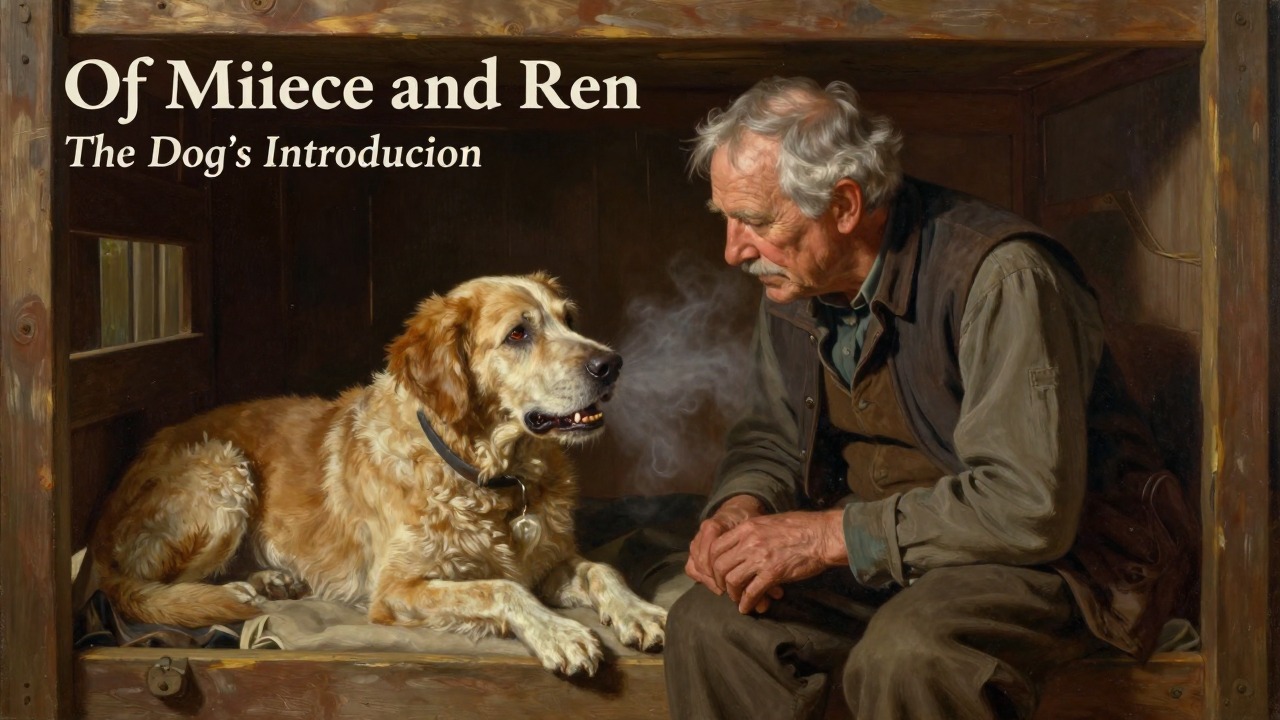
The Old Dog in the Bunkhouse
The Dog's State
Candy's dog is old, toothless, and smell. It lies in the bunkhouse, a constant presence. The men complain about the smell, but Candy is devoted to the dog. It is his only companion from his past. The dog is a symbol of the disposability of the old and weak in the ranch world.
Candy's Attachment
Candy has had the dog since it was a pup. He loves it, but he cannot give it the care it needs. The dog is a burden, but it is also a source of comfort. Candy's attachment to the dog mirrors George's attachment to Lennie: both are caretakers of creatures that are out of place in the harsh world.
The Men's Complaints
Carlson, in particular, is vocal about the dog. He says it should be put out of its misery. The confrontation is a foreshadowing of the later conflict about Lennie. The dog's fate is a test of the men's humanity.
The Shooting of the Dog
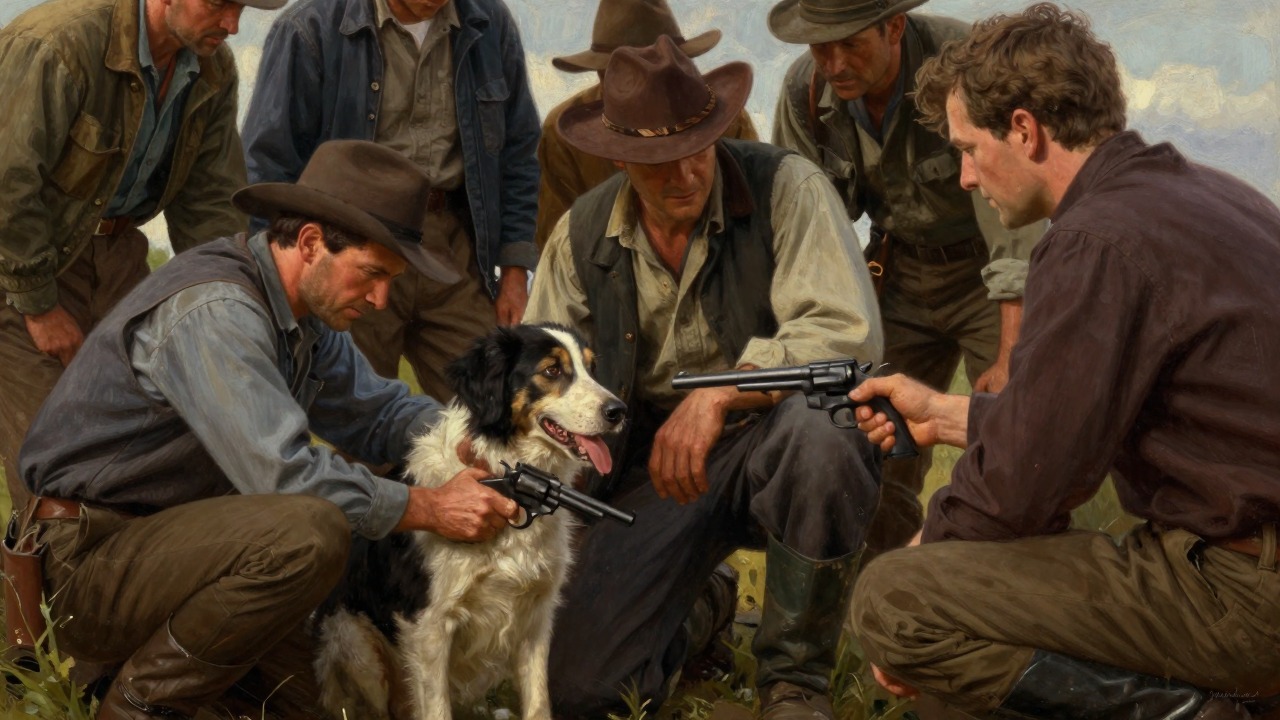
The Mercy Killing
Carlson's Argument
Carlson argues that the dog is suffering and should be shot. He offers to do it himself, using his Luger. Candy resists, but he is pressured by the other men. He looks to Slim for support, but Slim is silent. The dog's fate is decided by the majority, not by Candy's wishes.
The Killing
Candy finally agrees, and Carlson takes the dog outside. A single shot is heard. Candy lies on his bunk, staring at the ceiling. He is unable to speak. The dog's death is a moment of deep loss, a foreshadowing of the loss to come.
The Emotional Impact
Candy's grief is palpable. He tells George that he should have shot the dog himself, that he let a stranger do it. This regret will haunt him. The dog's death is a parallel to Lennie's death: both are killed by a stranger (Carlson vs. George) but in the latter, George takes the responsibility. The dog's fate is a lesson in mercy and the pain of letting go.
The Dog's Echo in the Later Tragedy
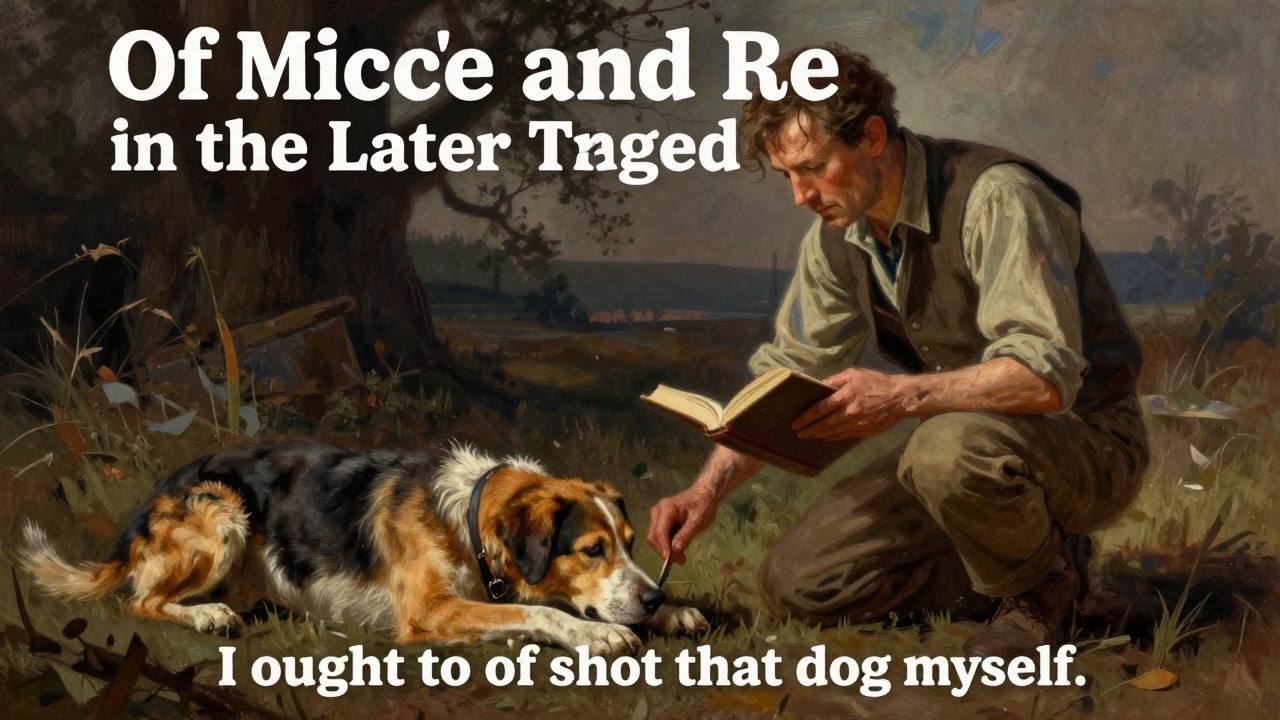
The Parallel Realized
Candy's Precedent
When Lennie is hunted, Candy reflects on the dog's death. He tells George, "I ought to of shot that dog myself." He understands that sometimes the merciful act is the hardest. The dog's death becomes a template for the killing of Lennie.
The Symbolic Connection
The dog is a symbol of the old, the weak, and the innocent. Both the dog and Lennie are killed because they are a burden to society. The dog's death is a rehearsal for the central tragedy. Candy's regret is a lesson that George heeds: he takes the responsibility upon himself.
The Theme of Mercy
The dog's fate introduces the theme of mercy killing. Is it better to let a suffering creature live, or to end its pain? The novel does not give easy answers, but the parallel forces the reader to consider the morality of George's act. The dog's death is a small tragedy that echoes in the larger one.
The first evening at the ranch
The first evening at the ranch
After the death of Curley's wife
